
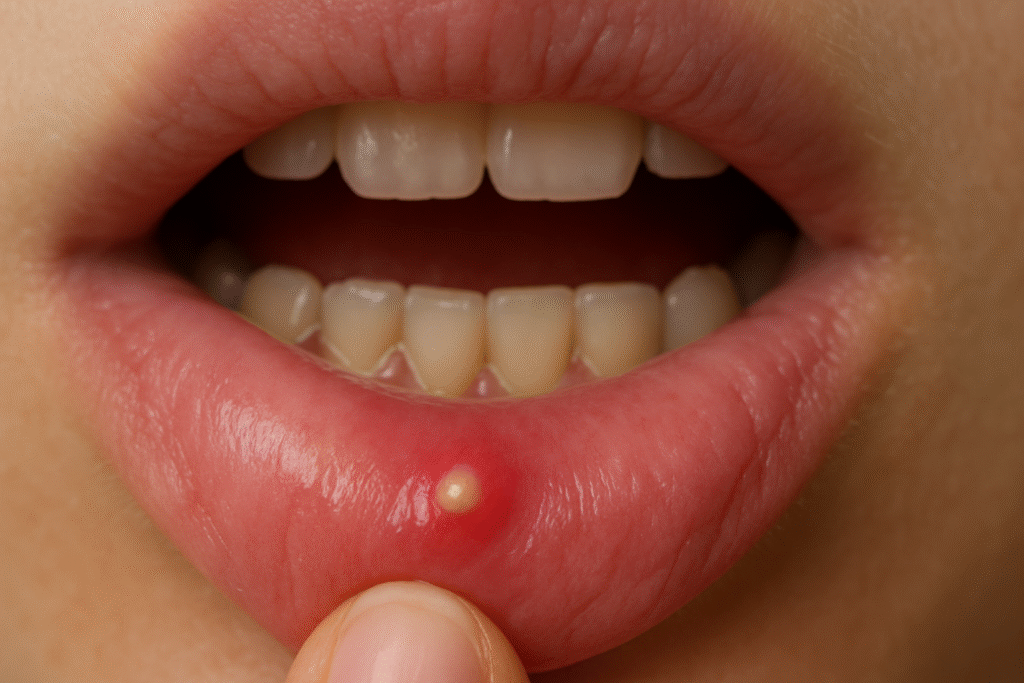
How to Get Rid of Pimples Inside Your Lip: Expert-Backed Treatment Guide
Discovering a painful bump inside your lip can be alarming. While most people think it’s just a pimple, the truth is that true pimples are rare inside the lip. Such bumps are often harmless mucoceles or sores, but knowing the difference—and how to treat them—is important for comfort and health. Here’s a full, expert-backed guide to identifying, treating, and preventing these pesky lip bumps.

Why Do Bumps Form Inside Your Lip?
The inside of your lip—the oral mucosa—lacks hair follicles, so typical acne can’t really form here. Common causes of pimple-like bumps inside the lip include:
- Mucoceles: Fluid-filled cysts due to blocked or injured minor salivary glands, often from lip biting.
- Canker sores: Small, round, painful ulcers with a white or yellow center.
- Trauma: Physical injury, burns, or accidental bites causing inflammation.
- Cold sores: Usually on the outer lip, but less commonly inside.
- Allergic reactions: Irritation from foods or oral products.
How to Tell What Your Lip Bump Is
| Lesion Type | Appearance | Pain? | Common Location |
|---|---|---|---|
| Mucoceles | Clear, soft, fluid-filled bump | Usually painless | Inner lower lip |
| Canker Sores | White center, red border | Painful | Anywhere inside mouth |
| Pimple (Acne) | Red, tender, often with whitehead | Can hurt | Lip line/edge |
| Cold Sore | Clustered blisters, crusts | Painful, burns | Mostly outside lip |
Expert-Backed Ways to Get Rid of Lip Pimples
Mucoceles (Most Common Inside-Lip ‘Pimple’)
- Don’t pop it! Let it resolve naturally; most mucoceles disappear within a few weeks.
- Apply warm saline rinses (1/2 teaspoon salt in 1 cup water) to reduce swelling.
- Avoid biting/picking; this can worsen or re-injure the spot.
- Maintain good oral hygiene and brush gently.
- If it’s large, persistent, or interferes with eating/speaking, see a dentist or oral surgeon. Sometimes removal is needed.
Pimple on Lip Line (True Acne):
- Wash your face with a gentle, non-comedogenic cleanser twice daily.
- Spot treat with a tiny amount of 2.5%-5% benzoyl peroxide gel—apply only to the pimple, avoiding the inner mouth.
- Alternatively, use salicylic acid (0.5%–2%) for gentle exfoliation.
- Avoid licking or touching your lips after applying treatment.
- Choose non-comedogenic lip balms; avoid oily and fragranced products that migrate inside your mouth.
Canker Sore Relief
- Rinse with mild saltwater solution for soothing effect.
- Apply an over-the-counter topical canker sore gel, if needed.
- Avoid spicy, acidic foods that can irritate ulcers.
- If sores recur often, consult a medical professional for deeper causes.
When to See a Dermatologist or Dentist
- Bump lasts longer than 2–3 weeks or keeps coming back.
- It bleeds, becomes very painful, or interferes with eating/talking.
- You develop recurring cold sores, ulcers, or suspicious new growths.
- You notice fever, pus, or severe swelling—could mean infection.
Prevention Tips
- Avoid lip biting, picking, or trauma; stress management may help.
- Keep lips moisturized—use non-comedogenic, fragrance-free lip balms.
- Maintain strong oral hygiene; brush and floss daily.
- Upgrade dental care products if you’re prone to sores or allergies.
- Eat a balanced diet rich in vitamins B & C, iron, and zinc for oral and skin health.
FAQs

Note: This article is for informational purposes only and not a substitute for medical advice. For persistent or severe symptoms, always consult a board-certified dermatologist or dental professional.